7 AI Video Ad Formats That Convert (and How to Make Each)
The UGC ad formats that actually drive results — unboxing, problem/solution, testimonial, before/after, demo, founder story, and trend-jack — with how to produce each one with AI.
Kunal Singh
Co-founder & CEO, Buckshot Studios
Winning ad accounts don't reinvent the wheel every week — they run a handful of proven formats against a product and let the data pick the winner. The formats are the same ones that have worked for UGC for years; what's new is that you can now produce all of them with AI, cheaply, and test them in parallel. Here are the seven that convert, and how to make each one.
For the full workflow these fit into, start with the UGC ads playbook.
1. Unboxing / first impression
Why it works: curiosity plus the product hero in one. The reveal does the selling. Make it with AI: start from a clean product image, generate a short sequence of the package arriving and being opened, then a beauty shot of the product in hand. Keep it handheld and close.
2. Problem → solution
Why it works: often the strongest starting structure for DTC — test it against your product. Name the pain in the first two seconds, then show the fix. Make it with AI: two beats — a relatable "problem" shot (frustration, the mess, the before) and a "solution" shot (the product, the relief, the after). The hook is everything; write several openings.
3. Testimonial / talking-head
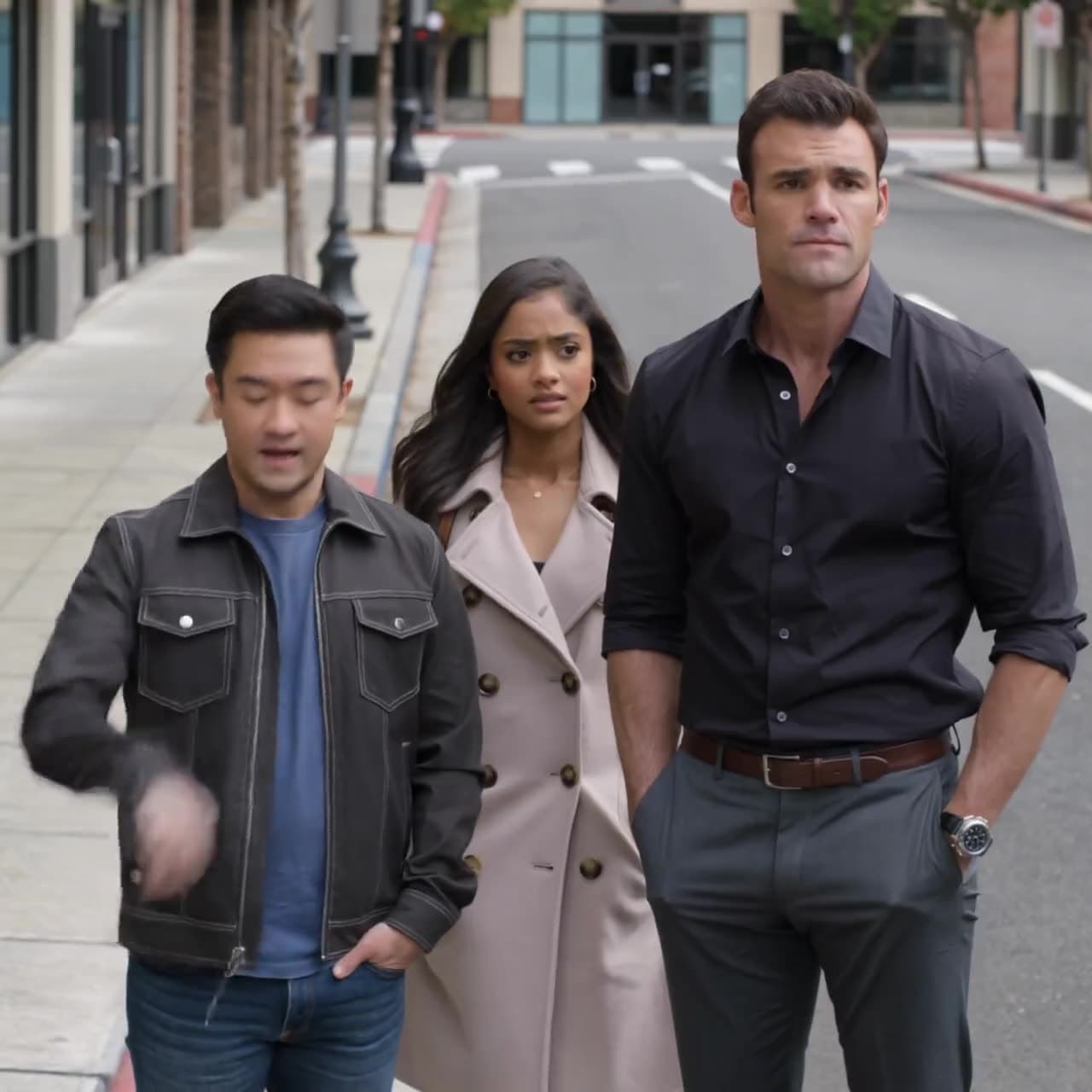
Why it works: a person talking straight to camera reads as a recommendation, not an ad. Make it with AI: generate a creator-style talking-head in a real room, with a natural, conversational voiceover. Kling's avatar and character work shine here. Vary the creator's age and vibe across versions.
4. Before / after
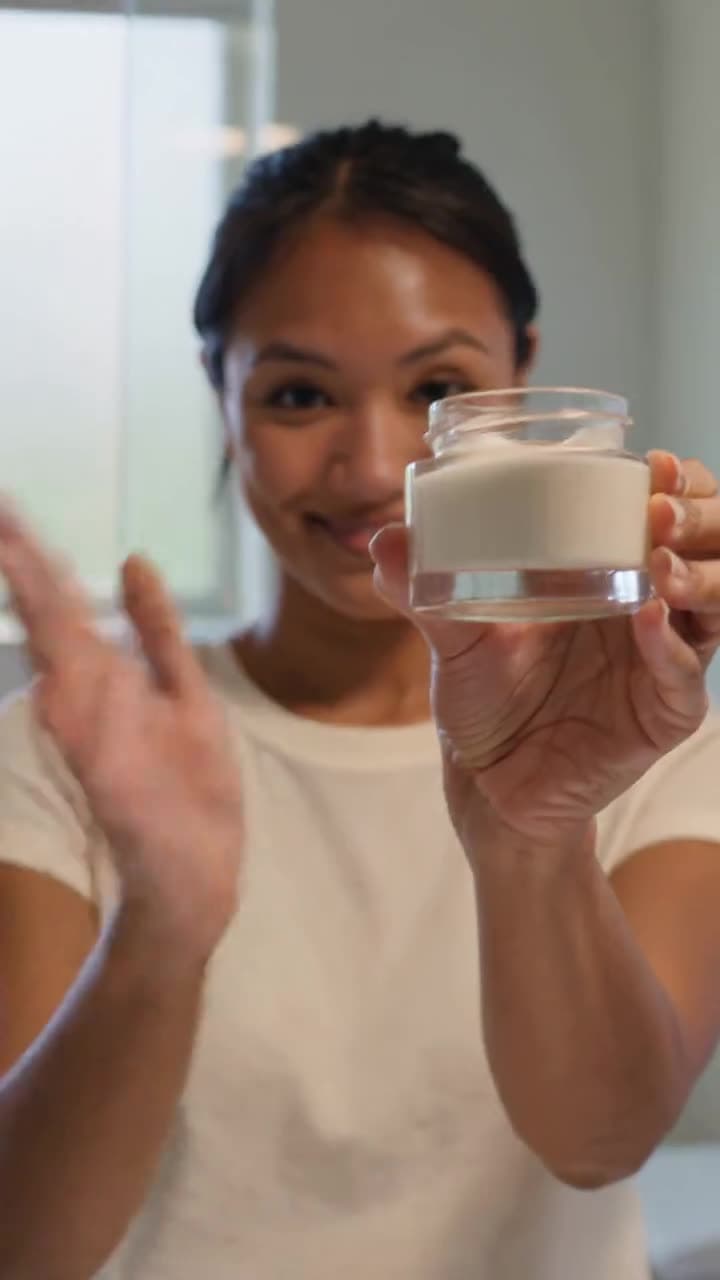
Why it works: the transformation, shown not told. Unbeatable for skincare, fitness, home, and cleaning. Make it with AI: two matched shots of the same subject — lock the subject so only the result changes, the same discipline that keeps a character consistent. The cleaner the match, the stronger the proof.
5. Demo / how-to
Why it works: the product in use makes the benefit obvious and pre-empts objections. Make it with AI: start from the product image and generate close, clear shots of it working. Good for anything where seeing it sells it.
6. Founder story
Why it works: why the product exists builds trust — especially for newer brands without reviews yet. Make it with AI: a warm, slightly more produced talking-head with a sincere voiceover. This is the one format where a touch more polish helps.
7. Trend / day-in-the-life
Why it works: native to the platform — it rides a format people are already watching, so it doesn't read as an ad at all. Make it with AI: drop the product naturally into a lifestyle moment — a morning routine, a desk setup, a get-ready clip. Authenticity beats polish here; keep it casual.
Don't pick one — run a slate
The point of AI is that you don't have to bet on a single format. Generate a problem/solution, a testimonial, and a before/after for the same product, push all three live, and let cost-per-result decide. That's the whole advantage: testing at volume instead of guessing.
Open Bucksy with your product image, or jump straight to the AI ad maker and UGC ads workflows.
Frequently asked questions
Which AI ad format converts best? Problem/solution and testimonial are the safest bets for most DTC products, but the honest answer is to test several against your product — the winner varies by audience.
How many formats should I test? Start with three different shapes on one product (e.g. problem/solution, testimonial, before/after), then double down on whichever wins.
Can I make all of these without filming? Yes — each one starts from a product image and a script. See how to make a video ad without filming.
What makes an ad format "convert"? A hook that stops the scroll in two seconds and a structure that gets to the value fast. Format is the frame; the hook is what does the work.
Kunal Singh
Co-founder & CEO, Buckshot Studios
Kunal leads Buckshot Studios. He writes about using AI to produce advertising and brand content faster and cheaper — turning a product and a brief into finished video without a film crew.
Make it with Bucksy
Describe what you want. Bucksy plans the shots, writes the prompts, picks the model, and returns a finished piece — image, video, and audio from one chat.